


Worker.ai announced on November 12, 2026 that it has acquired DeltaGen, an AI voice company founded in 2024 that converts business conversations into decisions, tasks, and follow-ups. The deal included a substantial cash component plus equity in Worker.ai; the price was not disclosed. In a second deal the same day, Trusted Space acquired Falcon ExoDynamics, a spacecraft autonomy company, on undisclosed terms.
What DeltaGen Does
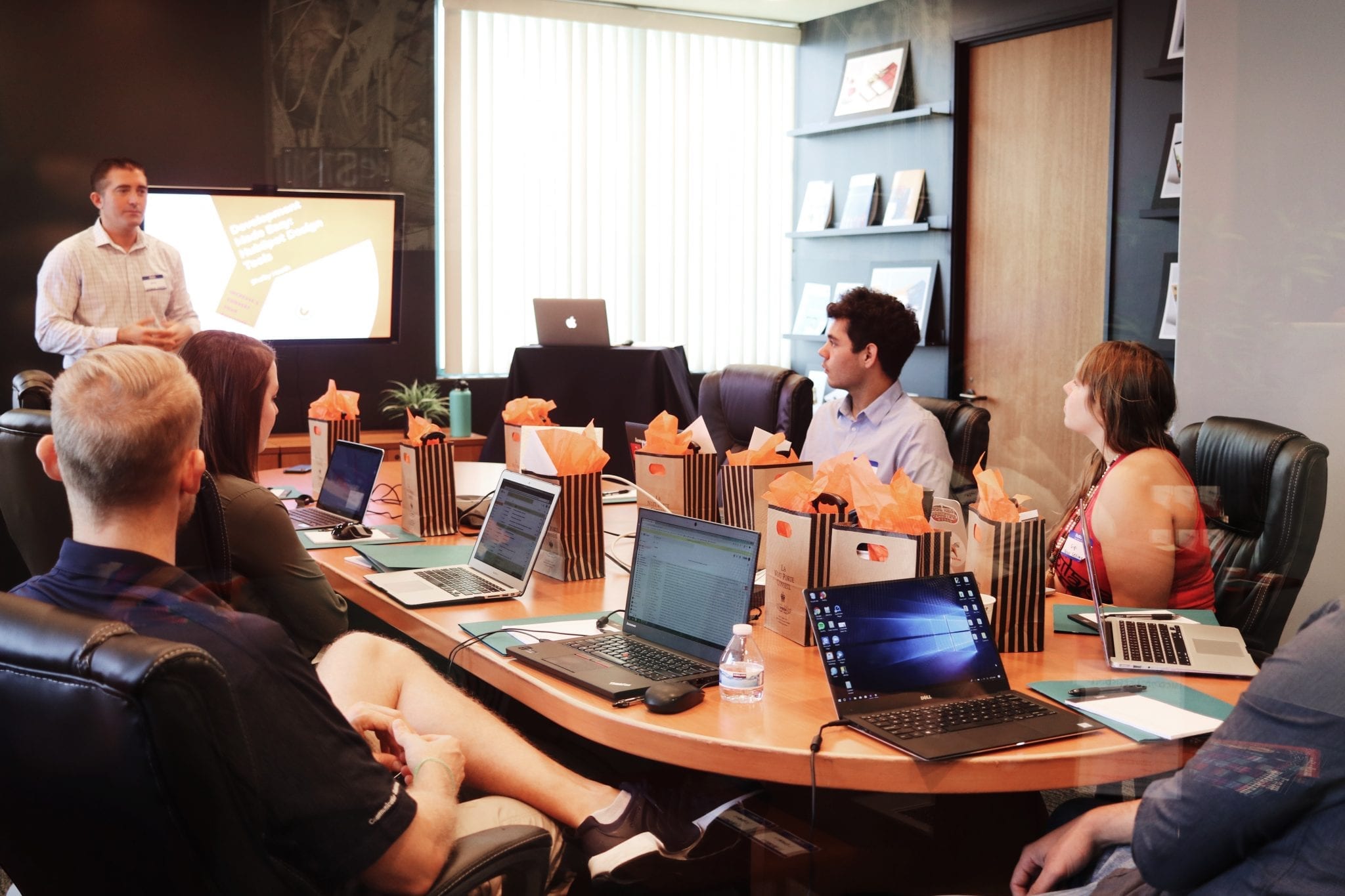
DeltaGen was founded in 2024 to solve a problem every knowledge worker recognizes: the meeting ends, the decisions are made, the tasks are assigned — and then half of it is forgotten, misremembered, or lost in a chat thread. DeltaGen's technology listens to business conversations and turns them into structured outcomes: the decisions that were reached, the tasks that were assigned and to whom, and the follow-ups that need to happen.
This is part of a broader category often called the AI meeting layer or conversation intelligence. Early products in the space transcribed meetings and produced summaries. The newer generation — where DeltaGen sits — aims to go further: to understand a conversation well enough to extract commitments, detect disagreements, and push structured work items into the tools a company already uses. The difference between a transcript and a decision log is the difference between a recording and an outcome.
The category has grown quickly because the underlying technology — speech recognition, speaker identification, and large language models that can reason about dialogue — has matured to the point where the output is genuinely useful rather than a curiosity. Companies now expect their meeting tools to do more than record; they expect them to work.
Who Worker.ai Is, and Why the Deal Fits
Worker.ai builds enterprise AI software, and it is backed by Ratmir Timashev, the co-founder of Veeam, the data-protection company. Timashev's backing matters: Veeam grew into a major enterprise software business by solving an unglamorous but universal problem — backing up and protecting data — and selling it to thousands of companies. Worker.ai is aiming at a similar kind of universal enterprise need, with AI as the engine.
The acquisition logic is straightforward. Worker.ai is building a platform of AI agents and tools for enterprise work, and DeltaGen adds a capability that plugs into almost every workflow: turning the conversations where decisions happen into structured, actionable work. A meeting is where a company decides; a platform that can capture, structure, and route those decisions has a natural place at the center of enterprise AI.
The deal structure — a substantial cash component plus equity in Worker.ai — is also telling. Paying partly in equity aligns DeltaGen's team with Worker.ai's future, suggesting the acquirer sees the DeltaGen team as a long-term part of the business rather than a one-off asset purchase. For a company founded only in 2024, an acquisition by a well-backed enterprise AI player is a fast and notable outcome.
Trusted Space Acquires Falcon ExoDynamics
The second deal of the day came from a very different industry. Trusted Space, a space technology company, acquired Falcon ExoDynamics, a company working on spacecraft autonomy — the software and systems that let spacecraft operate on their own, making decisions without waiting for instructions from Earth. Terms were not disclosed.
Spacecraft autonomy is a critical and growing field. As more satellites and spacecraft operate in orbit, and as missions venture farther from Earth, the round-trip delay in communicating with ground control becomes a real constraint. A spacecraft that must wait for human instructions cannot react quickly to a debris threat, a system failure, or a fleeting observation opportunity. Autonomous systems — software that can detect problems, replan, and execute maneuvers on its own — are becoming essential.
The acquisition fits a pattern of consolidation in the space industry, where companies are assembling end-to-end capabilities: not just building satellites, but operating them, protecting them, and making them smarter. For a company like Trusted Space, owning autonomy technology in-house is a strategic asset as the orbital economy grows more crowded and more competitive.
What It Means for Founders and Investors
Two deals in one day, in two very different industries, point to the same underlying dynamic: AI capabilities are being bought, not just built. Worker.ai bought a voice-to-action capability that would have taken years to develop in-house. Trusted Space bought spacecraft autonomy expertise that is scarce and hard to replicate.
For founders, the lesson is that a focused, demonstrable AI capability — one that works on real data, in real workflows — is an acquirable asset. The most valuable startups in this market are not the ones with the broadest ambitions; they are the ones that solve one hard problem demonstrably well, in a way a larger platform can plug in.
For investors, the deals are a reminder that AI M&A is spreading well beyond the big-name labs and the consumer AI apps. Enterprise AI, voice AI, and even space technology are now part of the acquisition market. The buyers are platforms looking to complete their offerings, and the sellers are teams with deep, narrow expertise. That pattern — platform buyers, capability sellers — is likely to define AI dealmaking for the next several years.
Angeled.com connects founders with investors.
Read Next
Oura to Acquire Counsel Health for $625 Million, Putting a Doctor Behind the Ring
Anthropic Files Updated IPO Prospectus Aiming at a $1.4 Trillion Valuation
Archrock to Acquire HiVolt Energy for Up to $450 Million
Barrick Mining Files to Spin Off and List Its North American Gold Business
What a $1.4 Trillion Anthropic IPO Would Mean for Founders
What the Barrick Spin-Off Teaches Founders About Splitting a Company to Unlock Value